Key Takeaways:
- AI fitness coaching app development can cost between $8,000 and $100,000+ in 2027, depending on complexity and functionality.
- AI-powered personalization, predictive analytics, and computer vision can significantly influence development expenses.
- Wearable integrations help apps track user activity, monitor progress, and deliver more adaptive fitness recommendations.
- Subscription plans, freemium models, and premium coaching packages offer multiple monetization opportunities.
- Starting with an MVP and adding advanced features in phases helps control costs and validate market demand.
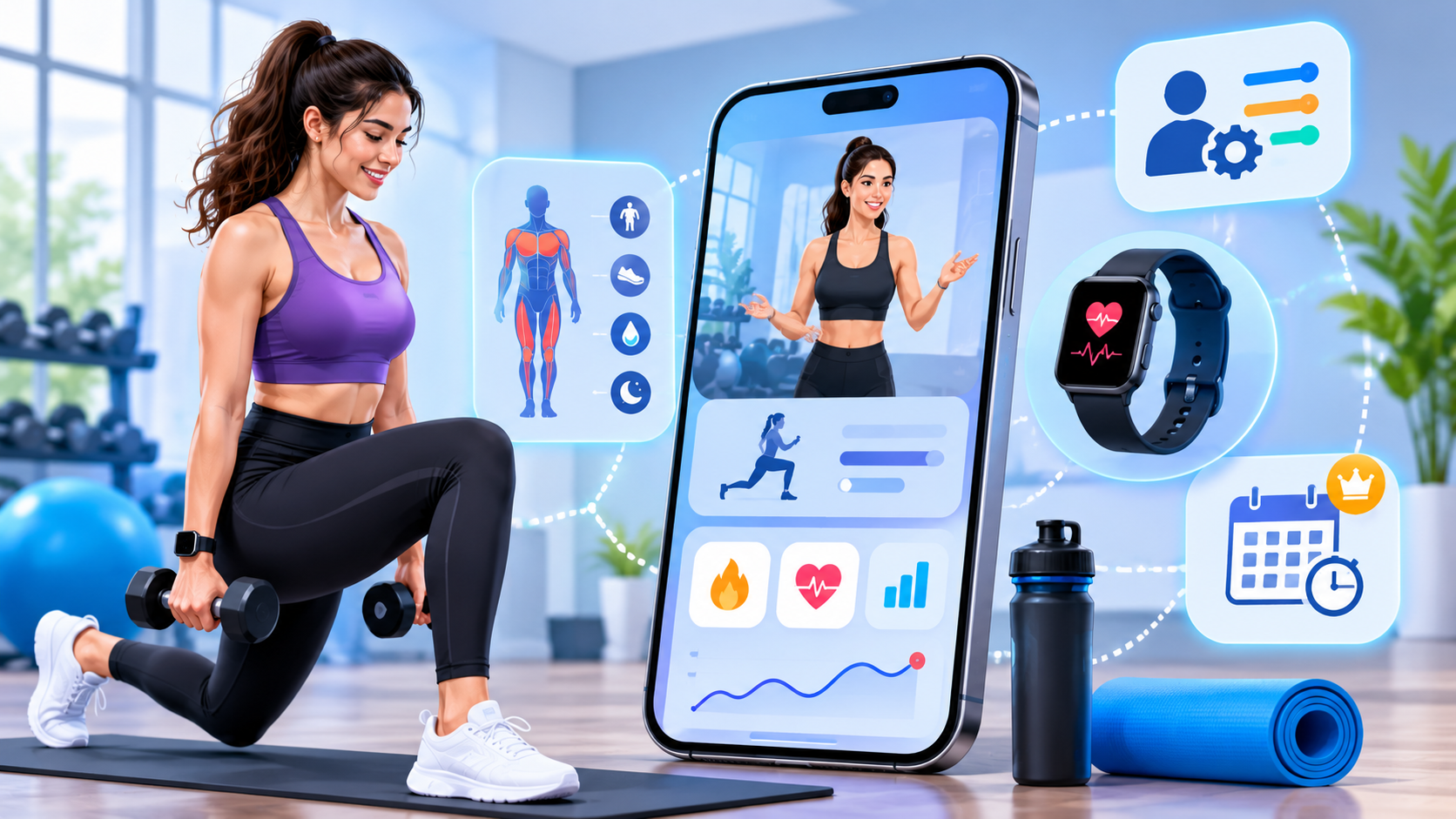
AI fitness coaching apps are changing how people approach workouts, nutrition, and personal wellness. Instead of following the same exercise plan every day, users can receive personalized workout recommendations, track their progress, and adjust fitness goals based on their activity and performance. Features such as AI-generated training plans, real-time coaching, wearable integrations, and progress analytics are making these platforms more interactive and data-driven.
For businesses planning to enter this growing market, understanding the AI fitness coaching app development cost is an important first step. The overall investment depends on factors such as app complexity, AI capabilities, supported devices, payment systems, and subscription models. A basic fitness platform may require a smaller budget, while an advanced solution with adaptive coaching, smartwatch synchronization, and predictive insights will need greater development resources.
This guide explores the essential features, technology requirements, development process, and pricing models involved in building an AI-powered fitness coaching app in 2027. It also explains the factors that influence the budget, helping businesses plan a solution that balances user experience, functionality, and long-term scalability.
Understanding AI Fitness Coaching Apps and How They Work
An AI fitness coaching app is a digital platform that uses artificial intelligence to deliver personalized workout plans, monitor physical activity, and help users achieve their health and fitness goals. Unlike traditional fitness applications that provide fixed exercise routines, AI-powered platforms can analyze user inputs, activity patterns, workout history, and performance data to adjust recommendations over time.
These apps can support different fitness goals, including weight management, muscle building, strength training, endurance improvement, and general wellness. Users can receive guided workouts, track their progress, and get recommendations based on their fitness levels and daily activity.
How Does an AI Fitness Coaching App Work?
An AI fitness coaching platform generally follows a continuous data and feedback cycle:
- User onboarding: Users enter details such as age, fitness level, goals, workout preferences, and available equipment.
- Data collection: The app gathers information from user activity, workout logs, health inputs, and connected wearable devices.
- AI analysis: Machine learning models analyze the collected information to understand performance patterns and user requirements.
- Personalized planning: The system generates workout schedules, exercise recommendations, and fitness targets.
- Progress monitoring: Users record completed sessions, while connected devices can provide activity and performance updates.
- Plan optimization: AI adjusts workout intensity, frequency, and recommendations based on progress and changing goals.
Who Can Benefit from These Apps?
- Individual fitness enthusiasts: People who want structured workouts and personalized guidance without hiring a personal trainer.
- Fitness trainers: Professionals who need tools to manage clients, monitor performance, and deliver customized plans.
- Gyms and fitness studios: Businesses that want to extend their services through digital coaching and member engagement.
- Health and wellness startups: Companies looking to offer technology-driven fitness experiences through subscription-based platforms.
For businesses entering this market, working with a mobile app development company that understands AI integration and fitness workflows can help turn the concept into a scalable product.
Market Demand and Opportunities for AI Fitness Coaching Apps in 2027
The fitness industry is moving toward personalized digital experiences, creating opportunities for businesses to develop AI-powered coaching platforms. Users increasingly expect fitness applications to do more than display exercise videos or count daily steps. They want recommendations that reflect their activity levels, goals, workout preferences, and progress.
Several market developments are creating opportunities for AI fitness app development in 2027.
1. Growing Demand for Personalized Fitness Plans
Generic workout routines may not suit users with different fitness levels, schedules, and goals. AI-powered applications can analyze individual performance and recommend customized training plans. Businesses can use this capability to offer more relevant coaching experiences and improve user engagement.
2. Increasing Adoption of Wearable Technology
Smartwatches, fitness bands, and connected health devices allow users to monitor activity, heart rate, sleep patterns, and other fitness indicators. Integrating these devices into coaching platforms creates opportunities for more informed recommendations. This also makes Wearable App Development Services important for businesses planning connected fitness experiences.
3. Expansion of Subscription-Based Fitness Platforms
Monthly and annual subscriptions give businesses opportunities to generate recurring revenue through premium workout plans, advanced analytics, personalized coaching, and exclusive fitness programs. Tiered pricing can also help attract beginners while offering additional value to experienced users.
4. Demand for Remote Coaching and Digital Training
Busy schedules and limited access to personal trainers have increased interest in flexible fitness solutions. AI coaching apps can provide workout guidance, exercise demonstrations, progress reports, and reminders without requiring users to attend a physical gym.
5. Opportunities for Fitness Businesses and Startups
Gyms, personal trainers, wellness brands, and startups can use AI fitness platforms to expand their services beyond physical locations. A well-designed application can support multiple trainers, manage memberships, deliver personalized programs, and provide performance insights through a single platform.
These opportunities make AI fitness coaching a promising product category, but businesses must choose features and integrations carefully to create a sustainable platform.
Key Features Every AI Fitness Coaching App Should Include
The features included in an AI fitness coaching app determine how effectively it supports users, delivers personalized guidance, and maintains long-term engagement. A successful platform should combine essential fitness tracking tools with intelligent coaching capabilities, wearable integrations, and subscription management.
The following features can help businesses create a practical and competitive fitness application.
1. User Registration and Fitness Profile
Users should be able to create accounts through email, phone numbers, or social login options. During onboarding, the app can collect information such as age, weight, height, fitness experience, activity level, and personal goals. These details help establish a starting point for personalized recommendations.
2. AI-Powered Workout Recommendations
AI should analyze user profiles, workout history, and performance to recommend suitable exercises. The system can suggest changes in workout intensity, duration, and frequency as users progress toward their goals.
3. Personalized Training Plans
The app should generate structured workout schedules based on individual requirements, including:
- Weight loss and fat reduction
- Muscle building and strength training
- Cardiovascular endurance
- Flexibility and mobility
- General fitness and daily activity
Users should also be able to adjust their schedules according to available time and equipment.
4. Exercise Library and Video Demonstrations
A searchable exercise library can include workout videos, step-by-step instructions, difficulty levels, and targeted muscle groups. Video demonstrations help users understand proper exercise techniques and follow routines more confidently.
5. Wearable Device Integration
Support for smartwatches and fitness trackers allows the app to collect activity information, including steps, heart rate, calories burned, and workout duration. These integrations can help the AI system make recommendations using updated performance data.
6. Progress Tracking and Performance Reports
Users should have access to dashboards displaying completed workouts, fitness milestones, activity trends, and goal progress. Visual reports can help users understand improvements and identify areas that need attention.
7. Nutrition and Meal Recommendations
A nutrition module can offer meal suggestions, calorie tracking, hydration reminders, and basic dietary planning based on user preferences and fitness goals. Any health-related recommendations should be appropriately reviewed and should not replace professional medical or nutritional advice.
8. Subscription and Payment Management
Businesses can offer free and premium plans with different levels of access. Secure payment processing, subscription renewals, invoices, cancellations, and upgrade options help manage the commercial side of the platform.
AI-Powered Features That Make a Fitness Coaching App Smarter
Basic fitness tracking helps users monitor their activities, but advanced AI capabilities make a coaching platform more adaptive and personalized. These features can analyze changing fitness patterns, provide timely guidance, and help users make informed adjustments to their routines.
Here are some AI capabilities businesses can consider when planning an intelligent fitness application.
1. Adaptive Workout Planning
Machine learning algorithms can evaluate workout completion, exercise intensity, recovery patterns, and user feedback. Based on this information, the app can adjust upcoming workout schedules, recommend alternative exercises, or modify training difficulty.
2. AI Fitness Assistant
An integrated virtual assistant can answer questions about workout routines, explain exercises, suggest training schedules, and help users navigate app features. Natural language processing allows users to interact through conversational text or voice commands.
3. Computer Vision for Exercise Form Analysis
Computer vision can analyze movement through a smartphone camera to identify posture and exercise-form patterns. The app can provide visual or audio feedback when users perform movements incorrectly. Accuracy depends on camera positioning, model quality, and the type of exercise being analyzed.
4. Predictive Performance Analytics
AI models can analyze historical activity and workout performance to identify trends. The platform may estimate progress toward fitness goals, identify inconsistent training patterns, and suggest adjustments to help users maintain a realistic routine.
5. Recovery and Rest Recommendations
By analyzing workout intensity, activity levels, and available recovery indicators, the app can recommend rest periods or lighter training sessions. These suggestions should be presented as general fitness guidance rather than medical assessments.
6. Personalized Nutrition Suggestions
AI can recommend meal ideas and nutrition plans based on user preferences, dietary restrictions, and fitness objectives. Businesses should include appropriate nutritional safeguards and avoid presenting automated suggestions as treatment for medical conditions.
7. Smart Notifications and Motivation
AI can identify engagement patterns and deliver reminders at relevant times. For example, the app may remind users about scheduled workouts, highlight completed milestones, or suggest a shorter session when they have limited time.
The complexity of these capabilities directly influences the AI app development cost. Features such as computer vision, real-time movement analysis, and custom machine learning models generally require more development, testing, and infrastructure than basic recommendation systems.
Key Wearable Device Integrations That Enhance AI Fitness Coaching Apps
Wearable technology plays an important role in making AI fitness coaching more accurate and responsive. By connecting smartwatches, fitness bands, and other health-tracking devices, an application can collect activity data and use it to improve workout recommendations.
For businesses planning this functionality, understanding the available integration options is essential because each device ecosystem has different APIs, data permissions, and compatibility requirements.
1. Popular Wearable Platforms to Integrate
|
Wearable platform |
Integration purpose |
|
Apple Watch |
Activity tracking, heart rate, workout sessions, and health metrics through Apple's health ecosystem |
|
Wear OS |
Workout information, steps, and supported health measurements |
|
Fitbit |
Activity levels, sleep information, and supported fitness metrics |
|
Garmin |
Training activity, performance measurements, and workout records |
|
Samsung Galaxy Watch |
Exercise tracking, heart rate, and supported health information |
2. Key Data to Collect from Wearables
- Heart rate: Helps monitor exercise intensity during supported activities.
- Step count: Tracks daily movement and activity goals.
- Calories burned: Provides estimated energy expenditure during workouts.
- Sleep patterns: Offers additional context about rest and recovery.
- Workout duration: Records the time spent exercising.
- Distance and pace: Supports running, walking, and cycling activities.
3. How Wearable Data Improves AI Coaching
Once users grant the necessary permissions, the app can synchronize supported metrics from connected devices. AI models can then analyze activity patterns alongside workout history and personal goals.
For example, if a user consistently completes moderate-intensity workouts, the system may gradually suggest more challenging sessions. If activity or recovery indicators suggest that a user may need a lighter day, the app can offer a lower-intensity alternative.
4. Important Integration Considerations
Wearable integrations require careful planning around API compatibility, data synchronization, battery usage, permissions, and privacy. Businesses should also account for differences in measurement accuracy across devices instead of treating every metric as equally reliable.
The wearable app development cost depends on the number of supported ecosystems, depth of synchronization, custom device requirements, and complexity of data processing. Starting with one or two widely used platforms and expanding based on user demand can help control the initial development budget.
Technology Stack for AI Fitness Coaching App Development
Choosing the right technology stack is essential for building a reliable fitness coaching platform. The application must support mobile experiences, AI-driven recommendations, wearable data synchronization, secure payments, and real-time progress tracking.
The technology selection depends on the app's feature requirements, expected user volume, integration needs, and long-term expansion plans.
|
Development component |
Recommended technologies |
Purpose |
|
Android development |
Kotlin, Jetpack Compose |
Native Android application development |
|
iOS development |
Swift, SwiftUI |
Native iPhone and Apple Watch ecosystem support |
|
Cross-platform development |
Flutter, React Native |
Building apps for Android and iOS using shared code |
|
Backend development |
Node.js, Python, Django |
Business logic, APIs, authentication, and data processing |
|
Database |
PostgreSQL, MongoDB |
Managing user profiles, workouts, subscriptions, and activity records |
|
AI and machine learning |
Python, TensorFlow, PyTorch |
Workout recommendations, predictive analytics, and personalization |
|
Computer vision |
OpenCV, MediaPipe |
Exercise movement and posture analysis |
|
Cloud infrastructure |
AWS, Google Cloud, Microsoft Azure |
Hosting, storage, scalability, and application deployment |
|
Wearable integrations |
HealthKit, Health Connect, Fitbit APIs |
Synchronizing supported fitness and health data |
|
Real-time communication |
WebSockets, Firebase |
Live updates, reminders, and coaching interactions |
|
Payment integration |
Stripe, Razorpay, Apple and Google billing systems |
Subscription payments and transaction management |
What Should Businesses Consider When Selecting Technologies?
- Scalability: The backend should handle increasing users, workout records, and wearable data without affecting application performance.
- AI compatibility: Python-based frameworks and suitable machine learning infrastructure can support recommendation engines and predictive models.
- Data security: Fitness and health-related information requires appropriate access controls, encryption, consent management, and secure storage.
- Integration flexibility: APIs should make it easier to connect additional wearable devices, payment providers, and third-party fitness services.
- Maintenance requirements: Choose technologies that support regular updates, efficient debugging, and future feature expansion.
An experienced fitness app development company can evaluate these requirements and recommend a technology stack that balances development investment with performance and scalability.
Step-by-Step Process to Develop an AI Fitness Coaching App
Building an AI fitness coaching application requires more than developing workout screens and integrating a recommendation engine. Businesses need a structured development process that connects user requirements, fitness expertise, AI capabilities, wearable devices, and subscription management.
Here are the key stages involved in developing a scalable AI fitness coaching platform.
1. Conduct Market Research and Competitor Analysis
Start by identifying the target audience, business objectives, and fitness problems the application will address. Study competing platforms to understand their features, subscription plans, user experience, and limitations. This research helps define a product that offers meaningful value.
2. Define the App's Core Features and Requirements
Prepare a feature list based on the intended users and business model. Decide whether the platform will focus on workout recommendations, personal training, nutrition tracking, wearable synchronization, or a combination of these capabilities.
Separate essential launch features from advanced features planned for later releases.
3. Design the UI/UX and User Journey
Create wireframes and interactive prototypes for onboarding, fitness assessments, workout dashboards, progress reports, and subscription screens. The interface should make it easy for beginners and experienced users to navigate the application.
4. Select the Technology Stack
Choose suitable mobile frameworks, backend technologies, databases, AI tools, and cloud infrastructure. Also identify the APIs required for wearable integrations, payment processing, and activity synchronization.
5. Develop the Backend and Mobile Applications
Build the user authentication system, workout management modules, fitness profiles, dashboards, and administrative functions. Develop the Android and iOS applications while ensuring that both platforms communicate reliably with the backend.
6. Integrate AI and Machine Learning Models
Develop or integrate AI models for personalized workout recommendations, performance analysis, and adaptive training plans. Validate model outputs using suitable datasets and fitness expertise before making recommendations available to users.
7. Connect Wearable Devices and Payment Systems
Integrate supported wearable ecosystems to synchronize fitness metrics with user consent. Implement subscription management, payment processing, renewal handling, and transaction records.
8. Test the Application and AI Functionality
Conduct functional, usability, performance, security, and compatibility testing. Check whether workout recommendations respond appropriately to user inputs and whether wearable data synchronizes correctly across supported devices.
9. Launch the App and Monitor Performance
Deploy the application to the relevant app stores and configure analytics, crash reporting, and monitoring tools. Track downloads, subscription conversions, user engagement, and feature usage after launch.
10. Maintain and Improve the Platform
Release regular updates, resolve technical issues, improve AI recommendations, and introduce new integrations based on user feedback. Continuous optimization helps the application remain useful as fitness requirements and technology evolve.
Following these stages helps businesses control development risks, prioritize essential functionality, and build a platform that can expand as its user base grows.
AI Fitness Coaching App Development Cost in 2027
The cost of developing an AI fitness coaching app in 2027 can range from a basic investment for a simple workout platform to a significantly larger budget for an advanced solution with AI personalization, wearable integrations, and subscription management.
The final fitness app development cost depends on the features, technology stack, AI model requirements, supported platforms, and complexity of third-party integrations.
Estimated Development Cost by App Complexity
|
App development level |
Estimated cost |
Approximate timeline |
|
Basic fitness coaching app |
8,000–15,000 |
2–3 months |
|
Standard fitness app with AI recommendations |
15,000–30,000 |
3–4 months |
|
Advanced AI fitness coaching app |
30,000–50,000 |
4–6 months |
|
AI and wearable-integrated platform |
50,000–75,000 |
6–8 months |
|
Enterprise-level fitness ecosystem |
75,000–100,000+ |
8–12+ months |
Key Factors That Influence AI Fitness Coaching App Development Cost
Two fitness coaching apps may offer similar core features but require different development budgets. The difference usually comes from the complexity of AI functionality, wearable integrations, application architecture, and the level of customization.
Understanding these cost drivers helps businesses allocate resources more effectively.
1. AI Model Complexity and Personalization
Basic recommendation systems can use predefined rules and user inputs, while advanced platforms may require custom machine learning models, predictive analytics, or computer vision. Training, testing, and maintaining these models can increase development expenses.
2. Number of Platforms and Devices
Building separate native applications for Android and iOS may require additional development resources. Supporting smartwatches, fitness bands, and multiple wearable ecosystems also increases integration and testing requirements.
3. UI/UX Design and Customization
A simple fitness dashboard costs less to design than a highly interactive interface with animated exercise demonstrations, personalized reports, live coaching screens, and complex user journeys.
4. Third-Party API Integrations
Integrating Apple Health, Health Connect, Fitbit, payment gateways, nutrition databases, and other external services requires additional development and testing. API limitations and ongoing maintenance can also affect the budget.
5. Backend Infrastructure and Scalability
The backend must manage user accounts, workout records, AI processing, subscriptions, and wearable data. Applications expecting high user activity may require more advanced cloud infrastructure, database optimization, and real-time processing.
6. Payment and Subscription Functionality
The complexity of billing also affects development costs. A basic monthly subscription is relatively straightforward, whereas multiple pricing tiers, free trials, renewals, refunds, promotional offers, and trainer-specific plans require additional functionality.
Businesses evaluating mobile payment app development costs should also distinguish between integrating an existing payment provider and building a separate payment application. These are significantly different development scopes.
7. Security and Data Privacy
Fitness platforms may handle personal profiles and sensitive health-related information. Secure authentication, encryption, consent management, role-based access, and data protection controls must be included in the development plan.
8. Development Team Location and Expertise
The team's experience, hourly rates, and technical specialization influence the overall project budget. Developers with expertise in AI, mobile applications, wearable APIs, and fitness platforms may charge more, but their experience can help reduce technical risks and unnecessary rework.
Subscription Pricing Models for AI Fitness Coaching Apps
A well-planned subscription strategy helps fitness app businesses generate recurring revenue while giving users access to features that match their fitness needs and budgets. Instead of relying on a single payment option, businesses can introduce different pricing tiers based on coaching capabilities, personalization, and premium services.
Here are some subscription models to consider.
1. Freemium Model
The freemium model provides basic fitness features at no cost while reserving advanced capabilities for paid users.
Free features may include:
- Basic workout plans
- Exercise library access
- Manual activity tracking
- Limited progress reports
Premium features may include:
- AI-generated workout plans
- Advanced performance analytics
- Personalized fitness recommendations
- Wearable device synchronization
This model helps attract users before encouraging them to upgrade.
2. Monthly and Annual Subscriptions
Users can pay monthly or annually to access premium fitness coaching. Annual subscriptions can include discounted pricing to encourage longer commitments and improve revenue predictability.
For example, a business might offer a monthly plan at $9.99 and an annual plan at $79.99. These are illustrative prices, and actual rates should reflect the target market and service value.
3. Tier-Based Subscription Model
A tiered structure allows businesses to serve different customer segments.
|
Subscription plan |
Example monthly price |
Features |
|
Free |
$0 |
Basic workouts and activity tracking |
|
Starter |
$5.99 |
Personalized plans and progress reports |
|
Premium |
$12.99 |
AI coaching, wearable integrations, and advanced analytics |
|
Pro |
$24.99 |
Advanced coaching, nutrition guidance, and exclusive programs |
4. Personal Trainer and Coaching Packages
Businesses can offer additional paid services such as trainer consultations, customized training programs, group coaching, and expert-reviewed fitness plans. These services can be sold separately or bundled with premium subscriptions.
5. Corporate and Gym Memberships
Gyms, fitness studios, and corporate wellness programs can purchase bulk subscriptions for their members or employees. This creates a business-to-business revenue stream alongside individual user subscriptions.
6. One-Time Premium Purchases
Some users may prefer paying once for specific programs rather than subscribing. Businesses can sell specialized workout courses, fitness challenges, training guides, or short-term coaching packages.
Choosing the Right Subscription Strategy
The right model depends on the target audience, operating expenses, and the value of premium features. Businesses should test pricing with real users, monitor subscription conversions, and evaluate retention before expanding their plans.
Challenges in AI Fitness Coaching App Development and How to Overcome Them
Developing an AI fitness coaching app involves more than integrating workout plans and tracking features. Businesses must address data accuracy, personalization, wearable compatibility, user privacy, and performance. Handling these challenges early helps create a reliable platform and improves the overall coaching experience.
|
Key challenge |
Why it matters |
How to overcome it |
|
Inaccurate AI recommendations |
Poor workout suggestions can affect user experience and training outcomes |
Train and evaluate models using relevant datasets, user feedback, and fitness-specific rules |
|
Limited or inconsistent user data |
Incomplete activity and health information can reduce personalization accuracy |
Collect relevant profile details, validate incoming data, and handle missing values carefully |
|
Wearable device compatibility |
Different devices may provide data in different formats and frequencies |
Use standardized integration methods and test compatibility across supported devices |
|
Data privacy and security |
Fitness apps may process sensitive personal and health-related information |
Apply encryption, secure authentication, access controls, and clear consent mechanisms |
|
High AI infrastructure costs |
Continuous model processing and real-time recommendations can increase operating expenses |
Optimize model usage, use caching where appropriate, and monitor cloud and API consumption |
|
User engagement and retention |
Users may stop using the app if recommendations feel repetitive or progress is unclear |
Introduce achievable goals, progress reports, reminders, and adaptive workout plans |
|
Scalability and performance |
Growing user activity can increase server load and processing requirements |
Use scalable cloud infrastructure, load testing, and efficient backend architecture |
Conclusion
AI fitness coaching apps are creating new opportunities for fitness businesses by combining personalized workout plans, wearable integrations, intelligent recommendations, and subscription-based services. However, the overall development investment depends on the app's feature set, AI capabilities, supported platforms, integrations, and scalability requirements.
In 2027, businesses can expect an indicative development investment of $8,000 to $100,000+, depending on the product's complexity. Starting with an MVP, validating user demand, and introducing advanced capabilities in phases can help control initial expenses while supporting future growth.
Choosing an experienced development partner also helps businesses plan the right technology architecture, build reliable AI features, and prepare the platform for long-term maintenance. A clear development strategy can turn an initial fitness app concept into a scalable digital coaching product.
FAQ's
The cost typically ranges from $8,000 to $100,000+, depending on AI complexity, features, integrations, and platform requirements.
A basic app may take 2–3 months, while an advanced AI-powered platform can require 6–12 months or longer.
Core features include user profiles, personalized workout plans, AI recommendations, progress tracking, wearable integrations, and subscription management.
AI analyzes user goals, activity levels, workout history, and feedback to recommend suitable exercises and adjust training plans.
Common technologies include Flutter, React Native, Python, TensorFlow, PyTorch, Node.js, cloud platforms, and wearable device APIs.
Yes. It can connect with supported devices such as Apple Watch, Wear OS watches, Fitbit, and Garmin to collect activity and workout data.
Popular revenue models include monthly and annual subscriptions, freemium plans, premium coaching packages, and corporate fitness memberships.
Yes. An MVP helps validate demand, collect user feedback, and identify essential features before investing in advanced AI capabilities.

CrinPro
CrinPro Solutions is a leading IT company that helps startups and enterprises build innovative digital products. From intuitive mobile applications and high-performance websites to AI-powered solutions and enterprise software, our team delivers scalable, secure, and user-focused products tailored to unique business needs. With expertise across multiple industries, we transform ideas into digital experiences that drive growth, improve efficiency, and create long-term business value.