Key Takeaways
-
OLX clone app development typically costs between $8,000 and $70,000, depending on the app's features, supported platforms, UI/UX design, integrations, and customization requirements.
-
A successful OLX clone should include essential features such as user registration, product listings, advanced search, in-app chat, secure payments, location-based listings, and an intuitive admin panel.
-
Development costs are influenced by factors like app complexity, technology stack, third-party API integrations, AI-powered features, scalability, and post-launch maintenance.
-
Building an MVP first allows businesses to validate their marketplace idea, reduce initial investment, gather user feedback, and scale the platform with advanced features over time.
-
Partnering with an experienced marketplace app development company ensures faster development, robust security, scalable architecture, and a high-performing OLX clone that supports long-term business growth.
Launching a classifieds marketplace similar to OLX has become an increasingly attractive business opportunity, given the steady growth of the online buy-and-sell industry.
However, before moving forward with development, it's essential to understand the OLX clone app development cost in 2026, as this figure varies significantly based on several factors.
Pricing is influenced by the features you choose to include, the platforms you target (iOS, Android, or both), and the development team or agency you partner with. There is no fixed, one-size-fits-all cost, which makes proper planning critical.
This guide breaks down realistic pricing estimates, essential app features, and the key factors that impact overall development costs, giving you the insights needed to budget accurately and make informed decisions.
What Is an OLX Clone App, and Why Are Businesses Investing in One?
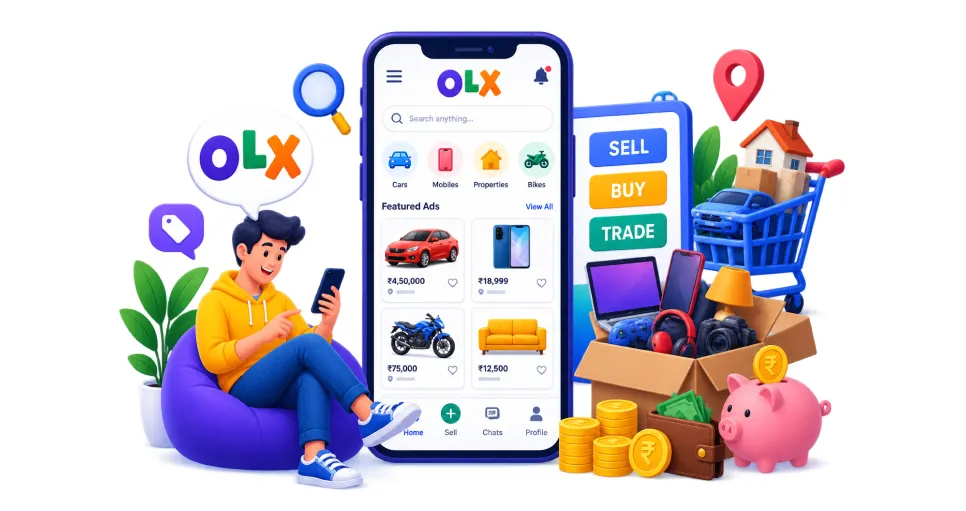
An OLX clone app is a ready-to-customize classifieds platform that replicates OLX's core buying and selling features, helping entrepreneurs launch a marketplace faster through OLX clone app development rather than building from scratch.
Low Barrier to Entry, High Return Potential
Classifieds platforms require minimal inventory investment since users list and sell their own products. This makes an OLX clone a low-risk, high-reward business model for entrepreneurs entering the online marketplace industry without heavy upfront capital.
Strong, Continuously Expanding Market Demand
The global online classified ad platform market is projected to grow from $38.62 billion in 2025 to $43.8 billion in 2026, reflecting rising consumer reliance on digital marketplaces.
Proven, Scalable Revenue Streams
OLX-style apps generate income through featured listings, subscriptions, ads, and premium seller tools. The classifieds market is expected to reach $90.14 billion by 2027, showing sustained long-term revenue potential for new entrants
Key Features That Shape the Cost of Your OLX Clone App
The right OLX clone app features directly influence your final development budget. Understanding which functionalities add real value versus unnecessary complexity helps you plan a cost-effective, competitive marketplace app from day one.
1. User Registration and Profile Management
Secure sign-up via email, phone, or social login forms the foundation of any classifieds app. Adding profile verification, ratings, and seller history increases development time, but builds essential trust between buyers and sellers.
2. Advanced Search and Filter Options
Location-based search, category filters, and price range sliders make listings easier to find. These features require robust backend architecture and database optimization, which add moderate cost but significantly improve user experience and retention.
3. Listing Management with Multimedia Support
Sellers need simple tools to post, edit, and manage listings with multiple photos or videos. Image compression, storage integration, and upload speed optimization all factor into development costs, especially for high-traffic platforms.
4. In-App Chat and Notifications
Real-time messaging between buyers and sellers keeps transactions on-platform and secure. Building reliable chat functionality with push notifications requires additional development effort, particularly for cross-platform consistency and message history storage.
5. Payment Gateway and Monetization Tools
Integrating secure payment options, featured listing upgrades, and subscription plans adds technical complexity. These monetization features are essential for revenue generation but require careful security implementation, which increases both costs and development timelines.
OLX Clone App Development Cost Breakdown (2026 Pricing Guide)
The total OLX clone app development cost typically ranges from $8,000 to $70,000, depending on features, platform choice, and development complexity. Since classified app development costs vary so widely across providers, this breakdown shows exactly where your budget goes at every stage.
1. UI/UX Design and Wireframing
Design costs cover wireframes, prototypes, and a polished user interface tailored to your brand. Simple, template-based designs cost less, while fully custom, research-backed UX design raises the cost to develop an OLX clone app with a premium look and feel.
|
Element |
Description |
Cost |
|
Wireframing |
Basic layout structure and flow |
$600-$1,200 |
|
UI Design |
Custom screens and branding |
$1,500-$3,500 |
|
Prototyping |
Interactive clickable prototype |
$900-$2000 |
2. MVP (Minimum Viable Product) Development
Building a basic version with core features like listings, search, and user profiles establishes your app's foundation. This stage focuses on functionality over polish, and the marketplace app development cost here reflects a lean, testable product before scaling further.
|
Element |
Description |
Cost |
|
Core Listings Module |
Post, view, and edit listings |
$2,500-$4,500 |
|
User Authentication |
Sign-up and login system |
$1,000-$2,200 |
|
Basic Search |
Category and keyword search |
$1,300-$2,800 |
3. Advanced Feature Integration
Adding chat systems, smart filters, saved searches, and location-based recommendations enhances user experience significantly. These additions push the eCommerce app development cost higher since they require more backend work and API connections to function smoothly.
|
Element |
Description |
Cost |
|
In-App Chat |
Real-time buyer-seller messaging |
$2,000-$4,000 |
|
Smart Filters |
Price, distance, and category filters |
$1,500-$3,000 |
|
Saved Searches |
Alerts for matching listings |
$1,200-$2,500 |
4. Payment Gateway Integration
Secure payment processing for premium listings or subscriptions demands compliance, encryption, and testing across multiple gateways. This is one area where classified app development budgets are non-negotiable, since payment security directly affects user trust.
|
Element |
Description |
Cost |
|
Gateway Setup |
Stripe/PayPal integration |
$800-$1,800 |
|
Security Compliance |
PCI-DSS and encryption checks |
$600-$1,400 |
|
Transaction Testing |
Multi-method payment testing |
$400-$1,000 |
5. Admin Panel Development
A robust admin dashboard lets you manage users, listings, disputes, and analytics from one place. Basic panels are more affordable, but any serious buy and sell app development project needs detailed reporting and moderation tools, which raise the price.
|
Element |
Description |
Cost |
|
User Management |
Ban, verify, edit accounts |
$1,000-$2,000 |
|
Listing Moderation |
Approve/reject and flag content |
$900-$1,800 |
|
Analytics Dashboard |
Traffic and revenue reporting |
$1,200-$2,600 |
6. Cross-Platform App Development
Building for both iOS and Android simultaneously, rather than one platform, increases developer hours and testing requirements. This is typically the single biggest driver of overall mobile app development cost, especially with native builds.
|
Elementq |
Description |
Cost |
|
iOS Development |
Native Swift build |
$6,000-$12,000 |
|
Android Development |
Native Kotlin build |
$6,000-$12,000 |
|
Cross-Platform Testing |
Device and OS compatibility |
$1,500-$3,500 |
7. Backend and Database Architecture
A scalable backend handles user data, listings, and traffic spikes without crashing. Strong database architecture is critical for growth, and any reliable OLX like app development process depends on getting this foundation right from the start.
|
Element |
Description |
Cost |
|
Server Setup |
Cloud hosting configuration |
$1,500-$3,000 |
|
Database Design |
Scalable schema architecture |
$2,000-$4,000 |
|
API Development |
Backend-to-frontend connectivity |
$1,800-$3,800 |
8. Third-Party API Integrations
Google Maps, SMS verification, push notifications, and social login all rely on third-party APIs. Each integration adds licensing or usage fees, and this is a common area where marketplace app development costs quietly add up if not planned early.
|
Element |
Description |
Cost |
|
Google Maps API |
Location and mapping services |
$500-$1,200 |
|
SMS/OTP Verification |
Phone number authentication |
$400-$900 |
|
Push Notifications |
Real-time alerts system |
$600-$1,400 |
9. Quality Assurance and Testing
Thorough testing across devices, operating systems, and network conditions prevents costly post-launch bugs. If you're also running a browser-based version, web app development cost should factor in separate QA cycles for both manual and automated testing.
|
Element |
Description |
Cost |
|
Manual Testing |
Functional and usability checks |
$1,000-$2,200 |
|
Automated Testing |
Scripted regression testing |
$900-$2,000 |
|
Bug Fixing |
Pre-launch issue resolution |
$700-$1,600 |
10. Post-Launch Support and Maintenance
Ongoing updates, security patches, and server maintenance keep your app running smoothly after launch. Any custom marketplace app development project should budget for annual support based on update frequency and scaling needs.
|
Element |
Description |
Cost |
|
Server Maintenance |
Uptime and performance monitoring |
$1,500-$3,500 |
|
Security Updates |
Patches and vulnerability fixes |
$1,200-$2,800 |
|
Feature Enhancements |
New additions post-launch |
$2,000-$5,000 |
Factors That Can Push Your Development Budget Up or Down
Whether you're building a classifieds platform or exploring an Amazon clone app development, several variables influence your final price. Understanding these factors helps you plan a realistic budget and avoid unexpected costs mid-project.
1. App Complexity and Feature Scope
A simple classified marketplace app with basic listings costs far less than one packed with AI recommendations, real-time chat, and advanced filters. The more custom functionality you request, the higher your final development investment climbs.
2. Single-Vendor vs. Multi-Vendor Model
Choosing a single-category platform keeps costs manageable, while a multi-vendor marketplace app supporting multiple sellers, categories, and commission structures demands more complex backend logic, significantly increasing overall development time and budget requirements.
3. Design Customization Level
Template-based designs are budget-friendly and quick to launch, but fully custom UI/UX crafted around your brand identity requires additional design hours, user research, and revision cycles, naturally raising your total project cost.
4. Development Team Location and Expertise
Where you hire matters significantly for mobile app development pricing. Agencies in North America and Western Europe charge more than teams in South Asia or Eastern Europe, though experience and portfolio quality also affect rates.
5. Platform Choice: iOS, Android, or Both
Building for a single platform reduces costs, while cross-platform OLX like app development covering both iOS and Android requires more testing, native coding, and quality assurance, extending both timeline and budget accordingly.
6. Third-Party Integrations and Scalability Needs
Payment gateways, maps, SMS verification, and cloud infrastructure all add licensing fees. Planning for future scalability also affects the OLX clone app development cost, since robust architecture upfront prevents expensive rebuilds later.
How to Choose the Right Development Team Without Overspending?
Picking the right partner directly affects your cost to develop an OLX clone app. The right team balances quality, experience, and pricing without cutting corners on essential features or long-term support.
1. Evaluate Their Portfolio and Past Projects
Review case studies and live apps the team has built before, especially any multi-vendor marketplace app projects. A strong portfolio in classifieds or marketplace platforms signals relevant experience and reduces development risks.
2. Check Technical Expertise and Tech Stack
Ensure the team specializes in custom marketplace app development rather than generic app building. Skilled developers familiar with scalable architecture, APIs, and security protocols deliver more reliable results within realistic timeframes.
3. Compare Pricing Models Across Providers
Different mobile app development companies offer fixed-price, hourly, or milestone-based billing. Comparing multiple quotes helps you understand market rates and avoid overpaying for features that could be sourced more affordably elsewhere.
4. Read Client Reviews and Testimonials
Genuine feedback on platforms like Clutch or GoodFirms reveals a team's reliability, communication style, and ability to meet deadlines. Consistently positive reviews across multiple projects indicate a trustworthy, dependable development partner.
5. Assess Communication and Project Management
Clear, regular updates throughout mobile app development prevent costly misunderstandings and scope creep. Teams using structured project management tools and agile workflows tend to deliver more predictable timelines and budgets.
6. Request a Detailed Cost Breakdown Upfront
Ask for itemized pricing covering design, development, testing, and post-launch support before signing any contract. Transparent breakdowns prevent hidden fees and help you compare quotes accurately across different agencies.
7. Verify Post-Launch Support and Maintenance Plans
Confirm what ongoing support is included after launch, such as bug fixes, security patches, and feature updates. Reliable maintenance plans protect your investment and keep your app running smoothly long-term.
8. Prioritize a Team With Domain-Specific Experience
Working with an established classified app development company rather than a generalist agency ensures they understand marketplace-specific challenges like listing moderation, search optimization, and monetization strategies from day one.
Final Thoughts
Building a successful classifieds platform comes down to smart planning, not just spending.
As this guide shows, your final budget depends on features, platform choice, design complexity, and the development team you partner with, typically landing between $8,000 and $70,000 for a well-built app.
Rather than chasing the lowest quote, focus on finding a team with proven marketplace experience and transparent pricing.
Start with a solid MVP, prioritize must-have features, and scale gradually based on real user feedback. With the right approach, you can launch a competitive, profitable classifieds app in 2026 without overspending on unnecessary complexity.
FAQ's
The total cost typically ranges from $8,000 to $70,000, depending on features, platform choice, design complexity, and the development team's location and experience level.
A basic MVP takes about 6-10 weeks, while a fully-featured app with advanced functionality and cross-platform support can take 4-6 months to complete.
Yes, starting with a basic MVP focused on core features like listings, search, and user profiles keeps initial costs closer to $8,000-$15,000.
Yes, launching on either iOS or Android alone reduces development and testing costs significantly compared to building for both platforms simultaneously.
Real-time chat, AI-based recommendations, multi-vendor support, and custom payment gateway integrations typically add the most to your overall development budget.
Freelancers often cost less upfront, but agencies offer better reliability, structured project management, and post-launch support, which matters for long-term app stability.
Yes, significantly. Agencies in North America and Western Europe charge more per hour than teams in South Asia or Eastern Europe, though quality varies.
Plan for server maintenance, security updates, and feature enhancements, which typically add $5,000-$18,000 annually depending on your app's scale and update frequency.
Yes, common revenue streams include featured listing upgrades, seller subscriptions, premium verification badges, and commission-based models for multi-vendor marketplaces.
Clone scripts cost less upfront but often lack scalability and customization. Custom development costs more initially but delivers better long-term flexibility and growth potential.

CrinPro
CrinPro Solutions is a leading IT company that helps startups and enterprises build innovative digital products. From intuitive mobile applications and high-performance websites to AI-powered solutions and enterprise software, our team delivers scalable, secure, and user-focused products tailored to unique business needs. With expertise across multiple industries, we transform ideas into digital experiences that drive growth, improve efficiency, and create long-term business value.